

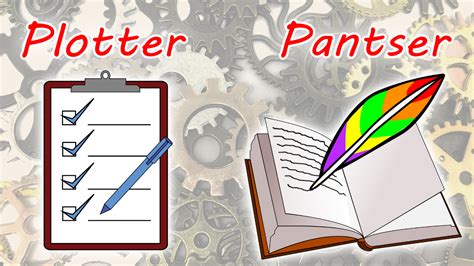
The pantser vs plotter argument has been running for as long as writers have had somewhere to argue, and almost every article about it ends the same way: “do what works for you.” Which is true, and completely useless, since you’re reading this article because you don’t yet know what works for you, or you want to confirm your method is right. So, let’s do this properly. What does each approach costs you in drafting time, revision, structural damage, and whether the book ever reaches a publishable state.
Pantser vs plotter: what the labels actually mean
A plotter works out the shape of the story before writing anything — an outline, a scene sheet, chapter summaries, sometimes a full synopsis. A pantser (from “flying by the seat of your pants”, also called a discovery writer) starts with a situation, a character, or an opening image and finds the story by writing it. A plantser sits in the middle: knows the ending and a handful of major turns, and discovers everything between them.
Two corrections before we go further, because most articles on this topic get them wrong.
First, “pantser” is not a synonym for “no plot”. Plot is what happens in the finished book. Outlining is one method to create it before you start to write. A discovery writer who reaches a tight, causal, well-paced novel has plotted. They just did it in narrative and during revision rather than in a document made beforehand. Anyone who uses the label as an insult is confusing the map with the terrain.
Second, the binary is fake. Nobody sits at either pole. The writer who holds the whole book in their head and takes no notes is a plotter who dislikes paperwork. The writer with a forty-page outline who abandons it at chapter nine is a discovery writer with a time-consuming warm-up ritual. What you actually need to identify: where in the process you prefer to do your structural thinking, and what that preference will cost you later.
Me? I believe in detailed plotting before writing because the process identifies the novel and provides a skeleton where every subplot is worked out and hangs together as a consistent whole. That said, I firmly believe in the process of ‘discovery’ as I write, as my characters often do and say things I had not considered. Same thing for some scenes and plot twists. That’s the fun part of writing.
The real trade-off nobody spells out: when do you pay for structure?
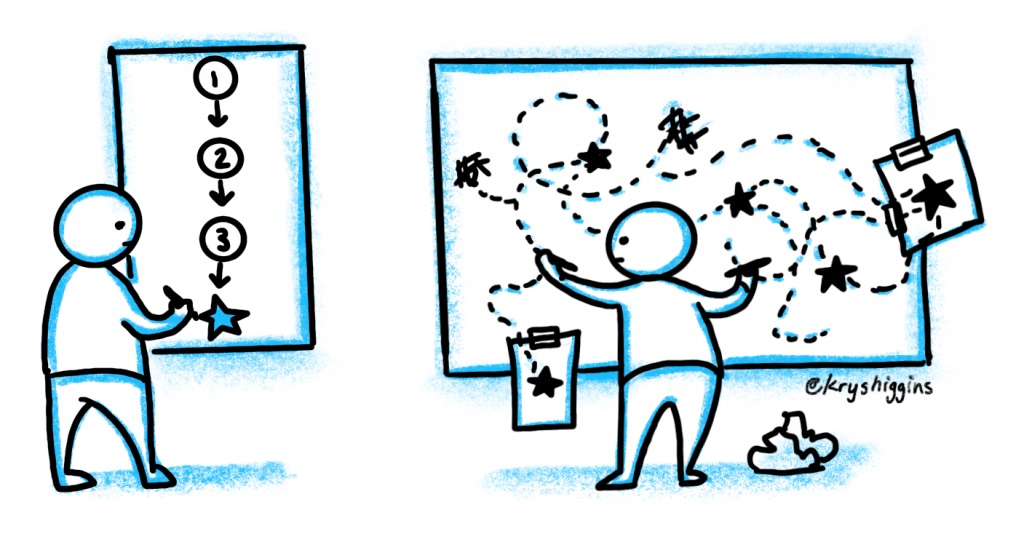
Every novel requires the same structural work. Someone has to decide what the story is about, why the middle doesn’t sag, which promises the opening makes, and how the ending pays them off. The pantser vs plotter question is only about when you do that work — and every method has a bill attached.
Plot first, and you pay upfront. Weeks of planning before a word of narrative. The risk with planning is that it can become a hobby: you keep refining the outline because it is safe and a draft is not. The second risk is that you execute a plan you no longer believe in and produce a draft that is structurally sound and completely inert — if you adhere rigidly to the outline.
Discover first, and you pay during revision. The draft comes alive, characters surprise you, and then you finish and find you’ve written 40,000 words of a book you’re no longer writing, a protagonist whose motive changes in chapter five, and a subplot that goes nowhere. That’s structural debt. It’s payable — but you pay it in months of restructuring your manuscript. And restructuring is the hardest, least enjoyable work in this trade.
These are two extremes, of course. The practical question is therefore not “which am I?” It is: would I rather do the hard thinking on a blank page, or on a finished mess? Both answers are legitimate. Only one is right for you, and it may not be the same one for the next book.
Does your genre decide it for you?
This is the piece missing from almost every article on the subject, and it matters more than you might think. Some books tolerate discovery writing. Others punish it savagely.
Genres that demand more planning
- Mystery and detective fiction. Clues, red herrings and the reveal have to be laid in reverse from a solution you already know. You can discover the atmosphere; but you cannot discover a fair-play whodunnit. Pantsing one usually means rewriting the whole clue layer afterwards — which is just outlining performed late and at four times the cost.
- Thrillers and heists. Timelines, competing agendas, ticking clocks. Multiple parties acting off-screen have to be tracked. An oujtline and a timeline document saves you weeks of revision.
- Multi-POV epics and series fiction. Continuity is the killer. Book three’s revelation must be plantable in book one. Series writers who don’t keep a story bible eventually contradict themselves in print, and readers notice.
- Hard science fiction and anything heavily researched. When the plot turns on how a system actually works — a reactor, an aircraft, an intelligence service — the research constrains the plot. Discovering as you go means writing scenes the physics later forbids.
Genres that reward discovery
- Literary and character-driven fiction. The engine is character emotion and voice. An outline can flatten exactly the quality readers want in your book,
- Contemporary romance. The structure is largely given — the scenes are known to you and to the reader — so the discovery happens in dialogue and friction, which pre-planning tends to kill.
- Horror and psychological suspense. Dread often comes from the writer’s own uncertainty. If you know precisely what’s in the cellar, you can write it competently. If you don’t, sometimes you write it terrified.
Again, these are broad-brush markers for writers to consider, not hard rules, as a novel can have elements that require planning and discovery.
How to actually plot — and how to actually pants
“Choose your style” is worthless without a method. Here’s what each looks like in practice.
A workable plotting method
- One-sentence premise. Protagonist, want, obstacle, stakes. If you can’t write it, you don’t have a novel yet — you have a setting.
- Four corner posts. The inciting incident, the point of no return roughly a quarter in, the crisis where the plan fails, and the climax. Four decisions, not forty.
- Ending first. Write the final scene as a paragraph before you outline the middle. Everything upstream now has a target.
- Scene cards, one line each. Who wants what, who opposes it, what changes by the end of the scene. If nothing changes, cut the card before you waste 2,000 words on it.
- Stop. When you catch yourself deciding what a minor character eats for breakfast, planning has become procrastination. Start the draft.
A workable discovery method
- Know the ending, or at least the question. Even most self-described pantsers know where they’re aiming. Vague is fine. Absent is dangerous.
- Keep a running continuity file. A single document, added to at the end of each session: names, ages, eye colours, dates, what was promised, what was seeded. This costs two minutes a day and saves a fortnight later.
- Reverse-outline at the end of the draft. One line per scene, describing what actually happens, not what you intended. This is the single most valuable thing a discovery writer can do. Your structural problems become visible.
- Rewrite. If a scene partway through the novel affects something already written, go back and update that part.
The failure modes, and what to do about each
Diagnose by symptom, not by label.
- You’ve outlined the same book three times and never started writing. Your outline is a bunker. Finish it, knowing it will change as you write, and start writing.
- The work feels dead even though the outline works. You’re transcribing, not writing. Deliberately break the outline in the next scene — let a character refuse to do what the plan says — and see whether the prose wakes up.
- You’re 60,000 words into the novel with no idea what happens next. A classic discovery stall. Stop drafting, reverse-outline what exists, identify what your protagonist actually wants, then plan only the next five scenes, not the whole book.
- The middle sags. This afflicts both camps. The cause is almost always the antagonistic force going passive. Give the opposition a plan of its own that advances whether or not your protagonist acts.
- Your proofreader says “You got lost”. Structural debt coming back to haunt you. Reverse-outline, check every scene for a change in state, and cut ruthlessly. Then get a professional edit before you go anywhere near a submission or publish button.
What agents, publishers and editors actually care about
Here’s the commercial reality that the process debate tends to obscure: nobody in publishing asks how you wrote it. No query letter has ever been rejected for insufficient outlining. No acquisitions editor requests your scenes sheet.
What they respond to is a manuscript with a clear premise, a protagonist who wants something, escalating conflict, a satisfying ending, and clean prose. If you’re querying, you will also need a synopsis — which means that at some point, plotter or pantser, you must be able to describe the shape of your book in two pages. Whether you are a discovery writer or a plotter, a synopsis is generally written once you finished your novel, because that’s when you know the whole story.
Your practical checklist
- Name your genre’s structural load. Mystery, thriller, multi-POV, series or heavy research? Plan more. Literary, romance, horror? You can afford to discover.
- Decide the ending, even loosely. Both camps benefit; neither is harmed.
- Cap your planning. Only enough pages to define the plot and subplots, then write.
- Keep a continuity file from day one, Whichever camp you’re in.
- Reverse-outline as you write. Non-negotiable if you discovery-write.
- Be prepared to rewrite. Pantsers: assume a rebuild of some parts. Plotters: assume a life-injection pass.
- Review after the book is done. Once done, put away the manuscript for a while, then read it. The inconsistencies will jump at you.
- Get a professional proofread/edit. Neither method protects you from your own blind spots.
Stop picking a side
Treat pantser vs plotter as a dial, not a constraint. With a research-heavy thriller, you’ll want the dial well over toward planning. With a quiet character novel, you can leave it slack. The writers who get into trouble are ones who adopt a label early in their writing career and defend it for thirty years, blaming the book when the mismatch shows.
What matters is the finished manuscript that is structurally sound and edited to a point where an agent or a reader can’t put it down. How you got there is your business.
If you’d like a second opinion on whether your draft is structurally sound — or you want the manuscript proofread/edited before it goes anywhere near an agent or the publish button — take a look at my editing and manuscript services. If you’re still working out how to shape the story itself, Planning and Writing your Novel and Plotting Your Next Novel are the logical next reads on this topic.